What is pronation, over-pronation, and flat feet of the foot?
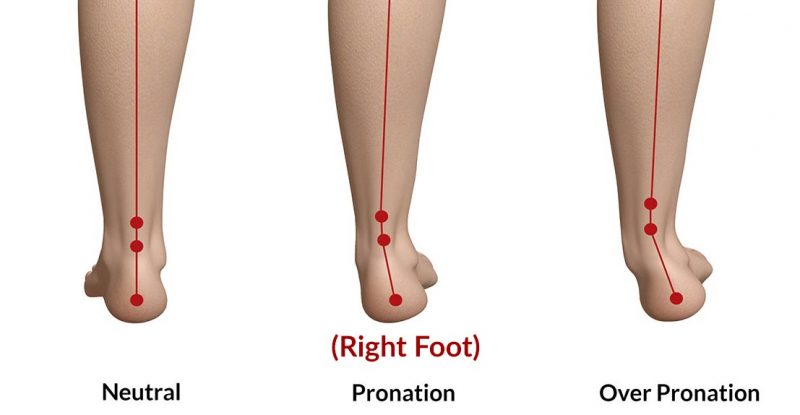
Pronation of the foot is a normal movement that occurs during walking or running. Normal pronation is the natural inward roll of the foot during walking or standing, which helps with weight transfer and balance. It is part of a shock absorbing mechanism that helps prevent injury or trauma to the foot, ankle and leg. When your heel hits the floor, the heel moves outwards slightly and your ankle rolls in slightly. This helps you to adapt to different surfaces when running, walking and jumping and is completely normal. The arch of your foot plays a crucial role in shock absorption and stability during walking or running.
However, sometimes people can lose their control of their pronation…
Have you started to feel that one of your feet keeps rolling in when you run? Or blisters start appearing on the inside of your foot for no apparent reason? Usually people put it down to their shoes, however that may not be the cause. It may be down to overpronation. If this sounds like you, then BOOK in today for Gait analysis with one of our amazing Physios. Overpronation can contribute to heel pain, shin splints, plantar fasciitis, Achilles tendonitis, and even issues with the Achilles tendon.
Overpronation is a compensatory movement caused by an incorrect relationship between the foot, heel, leg and hip. Overpronation occurs when the foot rolls inward excessively during the gait cycle, causing the arch to flatten and the big toe to bear more load during the step forward phase. In contrast, underpronation (also known as supination) occurs when the foot rolls outward during walking or running, resulting in less inward roll and affecting gait mechanics.
It is worth mentioning that some people are naturally flat footed or have naturally dropped arches. Flat feet are characterised by the arch of your foot collapsing, leading to feet flat on the ground and increasing the risk of overpronation. In this instance, if there is no pain you may not need to address having a slight overpronation. Issues usually arise when you previously had higher arches that have now dropped, or become dropped when you put weight through your foot; leading you to become more flat footed.
Treatment strategies for overpronation and flat feet may include exercises, supportive footwear, and consulting a physical therapist.
What is the actual cause of over-pronation?
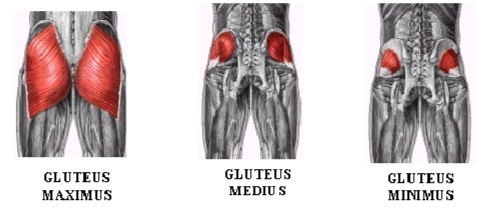
The latest research suggests many injuries throughout the body can actually stem from having weak hips, including over-pronation. Addressing overpronation involves targeting specific muscle groups, such as the gluteus medius and posterior tibialis, to reduce the risk of flat footedness.
Specifically in the case of over-pronation, the gluteus medius being weak/weaker than it should be. The gluteus medius is located underneath the gluteus maximus and is a primary hip abductor muscle. It’s role is to provide stability to the hip and knee whilst walking, running, jumping and squatting. Exercises like the band walk, which can be performed with a resistance band, are effective for strengthening these muscle groups and reducing overpronation. Weakness in this muscle can be associated with lower limb musculoskeletal injuries such as ankle and knee pain, as well as affecting the body further up the chain, causing back pain
Strengthening these muscles can help prevent overpronation and avoid overpronation-related injuries. Additionally, exercises like the gas pedal specifically target the posterior tibialis to support the arch and are important for preventing flat footedness.
Spotting the weak link
There are several tests that can be carried out to determine if you have weakness in your gluteus medius which could be resulting in over-pronation of the foot.
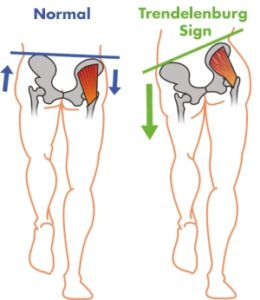
Our Physiotherapists would take you through a series of tests to identify the weak areas and give you areas to work on. One of the tests which is easy to do yourself too is the Trendelenburg sign. This will show when the glute med muscle is unable to work efficiently, possibly due to pain, poor mechanics or weakness. A positive test will show the pelvis will drop on the opposite side to the weakness. This is your body’s compensation that’s often observed with a Trendelenburg gait (weakness of abductor muscles). Balance tests, such as standing on one foot, can also help identify overpronated feet. This test can also be replicated in a more dynamic fashion by observing it during a single leg squat, lunge or step up.
If this imbalance is not addressed, it can lead to more serious and additional issues such as knee and hip pain and other lower limb injuries. The sooner you can address an imbalance, you can either; prevent it from becoming an issue in the first place or get back to full fitness quicker and spend less time resting and rehabbing. Booking in for Physiotherapy with one of our team could help you overcome these issues quickly. A physical therapist can also recommend supportive shoes, custom orthotics, or specific running shoes based on your foot strikes and gait analysis. You can also book in to see one of our Physio’s Dan to get your gait and running style analysed using our treadmill and gait analysis software. Running stores often offer gait analysis to help select the right footwear for those with overpronation.
You can book in with one of our specialists here.
Our top exercise to help strengthen the weak link
See below for our favourite exercise you could do at home if you believe your over-pronation is coming from weak glutes. You don’t need any equipment to do this, so it should be easy to do in the comfort of your own home!
This exercise is a bespoke combination of 5 movements which is specifically designed to incorporate all the planes of movement that really challenge the glutes!
The movements are a single leg squat, a single leg Romanian deadlift, a skater squat, a curtsy squat, followed by a leg lift.
These aren’t for the faint hearted to start off aiming for a a small amount of reps.
Aim for 2-3 sets of 5 reps of each exercise.
As you improve, you can look in increase the amount of reps of this exercise.
Please remember that not all exercises work for everybody. If any pain is felt during the exercises, then please stop and seek medical advice.
If you feel you need guidance or advice regarding any muscle weakness or lower limb injury please don’t hesitate to book in with one of our practitioners today – Click here.
All of our therapists here at Comfort Health are well trained in muscle imbalances and the resulting injuries. They are all also frequent runners and understand the importance of running at full health.
Book in now for Physiotherapy or Gait analysis